
The Law 16,744 provides protection against workplace accidents and occupational diseases and requires organizations to actively manage prevention. As of 2025, Supreme Decree No. 44 sets the new standard for the preventive management of occupational risks, reinforcing the obligation to report hazards, follow safety measures, and practice self-care in every role.
Beyond understanding and strengthening the organization’s preventive culture, participants in this course will discover the importance of developing a self-care mindset to promote overall well-being and positively impact energy levels, concentration, and creativity (Colman et al., 2016; Harvard Business Review, 2020).
In this course, participants will strengthen the preventive culture and understand the value of a self-care mindset for overall well-being, improving energy, concentration, and creativity (Colman et al., 2016; Harvard Business Review, 2020).
OBJECTIVES:
Contribute to the development of a risk prevention culture by encouraging self-care and taking labor legislation into account.
Identify occupational risks and prevention strategies, cultivating a self-care mindset in daily practice.
Apply effective strategies to promote safe behavior and strengthen well-being in your work environment.
INCLUDES:
4 micro-videos
Self-managed challenges for the workplace
Interactive online and downloadable materials
Editable toolkit
Escape Room
Simulator
THEME:
Stunt doubles
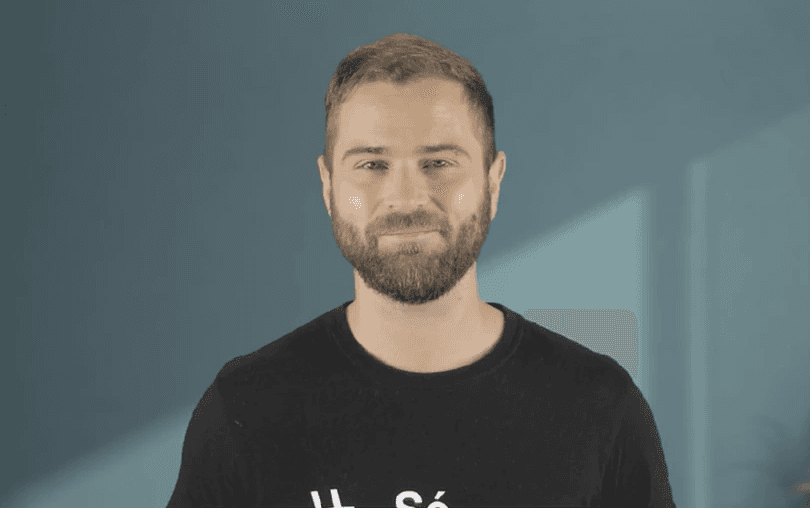
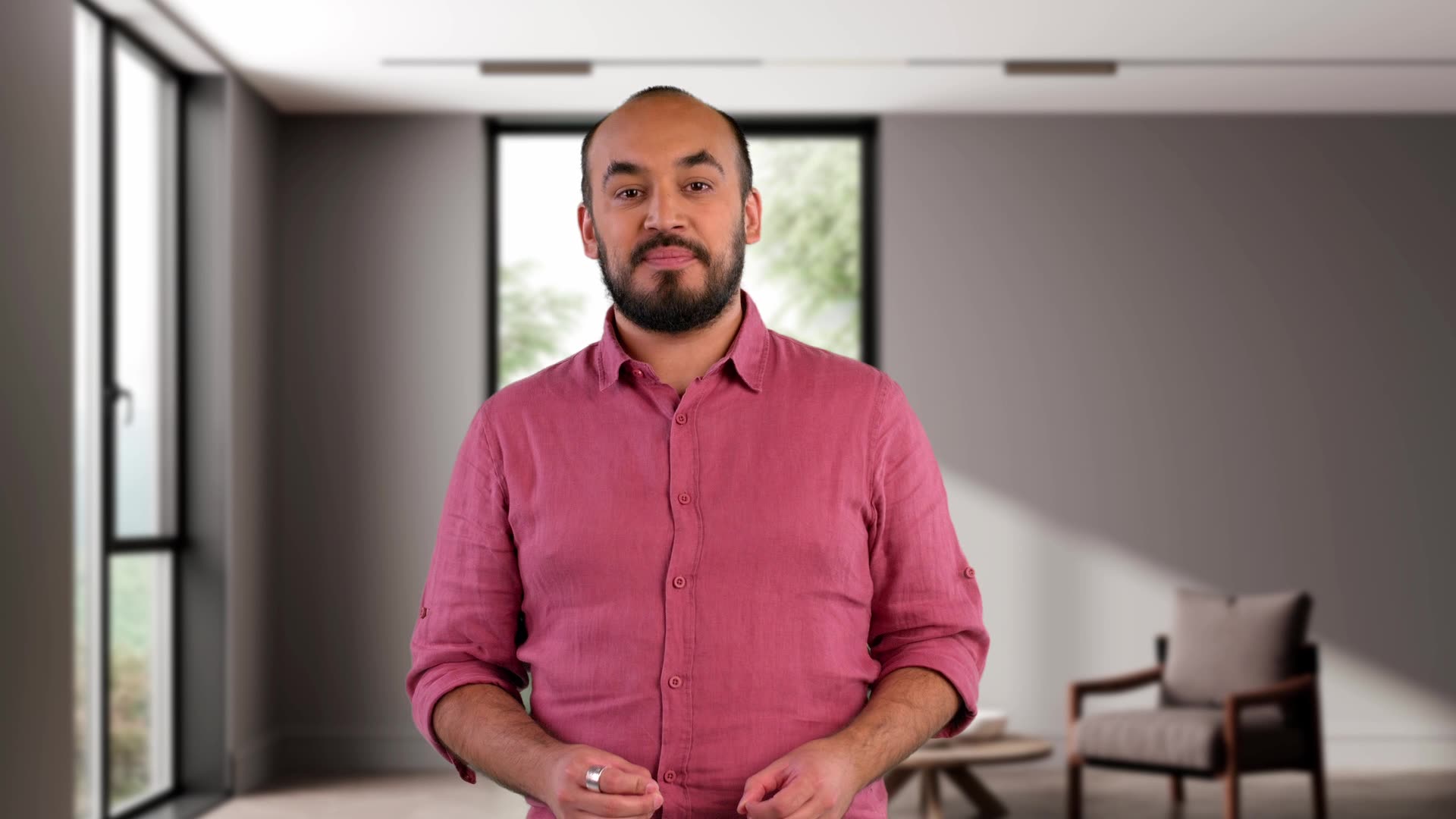
Nicolás Pérez
Actor
Specialist in soft skills training.
+10 years of experience working with large companies.
Keep developing skills
Explore more courses designed to strengthen skills and improve performance at work.

Rodrigo Rojo
Play
AI for everyone
Use AI in a simple, useful, and responsible way at work and in daily life.
45 minutes
Microlearning


Denisse Goldfarb y Mauricio Peñafiel
Play
Liderazgo en tiempos de IA
Lidera con claridad y confianza los cambios que trae la inteligencia artificial.
10 - 20 minutos
Nanolearning

Rodrigo Rojo
Play
Resolución de problemas potenciada con IA
Resuelve desafíos de forma simple y estratégica con ayuda de IA.
30 a 45 minutos
Microlearning